Information
Gaing O Trust
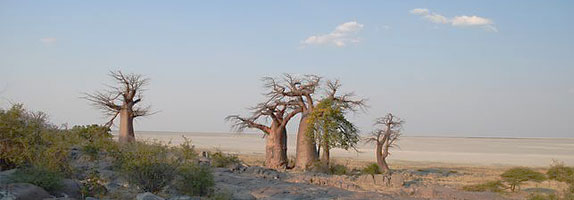
Gaing O Community Trust was established in 1997 representing the community of Mmatshumo and surrounding settlements as a vehicle to manage and derive benefits through sustainable utilization of natural resources. The trust was formed out of a concern by the community on damage caused at Kubu Island by uncontrolled tourism activities. The Trust has implemented a viable eco-tourism venture for the bene8t and appreciation of its members.You are welcome to visit our office in Mmatshmo village, we also have free wifi now.

Guided Walks
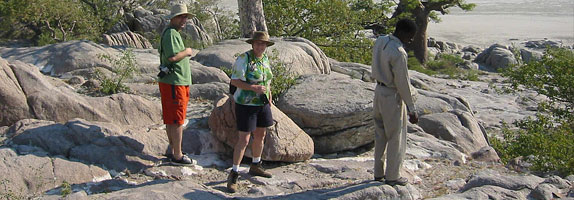
Kubu Island is locally known as Lekhubu, it is a unique, untouched empty and wild tourism attraction. For a fuller experience of this unique place a guided walk can be booked, our guide will show you the ancient history of Lekhubu and explain the amazing formations and give insight on flora and fauna in the area. Please request this experience when making your booking. Prices for our Guided Walk at Lekhubu are BWP 60/person or at 'Little Kubu' at BWP 150/person.
Camping
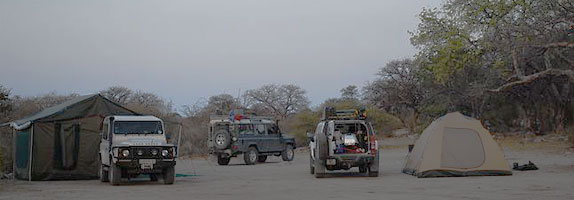
Kubu Island is located en route to four major parks and game reserves in Botswana and is the only place in Botswana that has prominent rocky features with a breath taking views of the salt pans in the Makgadikgadi, as well as it's unique aesthetic beauty, Kubu Island also boasts rich archaeological and cultural signi8cance and is a Botswana National Monument under the management of Gaing O Community Trust.
Camping Price List:
Botswana Citizens & Residents: BWP 60/P/P/N Plus Gov Levy & VAT
SADAC Residents: BWP 100/P/P/N Plus Gov Levy & VAT
International Visitors: BWP 150/P/P/N Plus Gov Levy & VAT
Children under 9 years are free and under 14 years are 50% of the above rates.
Additions to the above rates, once off Entrance Fee and or Day Rate of BWP 30 BWP 30
BWP 50 each person respectively.
Gov Levy is currently BWP 10/P/P/N and VAT is currently 14%
We can also provide you with a tent with 2 mattresses and solar lighting for BWP 250/N
View Deck access at BWP 5/person & Firewood at BWP 25/bundle.
Rules and Regulations
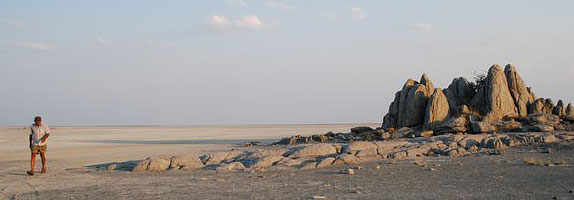
All visitors to the Island are kindly asked to adhere to the following:
Please register upon arrival.
Driving off the roads is strictly prohibited.
Removal of any flora and fauna is strictly prohibited.
Fires may only be lit in designated fire places
Visitors may only camp in designated campsites only.
Please keep as quite as possible (no music systems, no generators).
Do not leave campfires unattended... Please prevent wildfires.
Maximum speed within the island is 30 km/h.
Proof of payments will be required by the guide at the island.
Please vacate your campsite before 10:30 am on your day of departure.
Cancellation: 75% fee - under 60 days prior to arrival date.
Cancellation: 100% fee - under 21days prior to arrival date.